

































Survey Reveals: The Discount Retail Chains People Most Wish Would Open Near Them in 2026




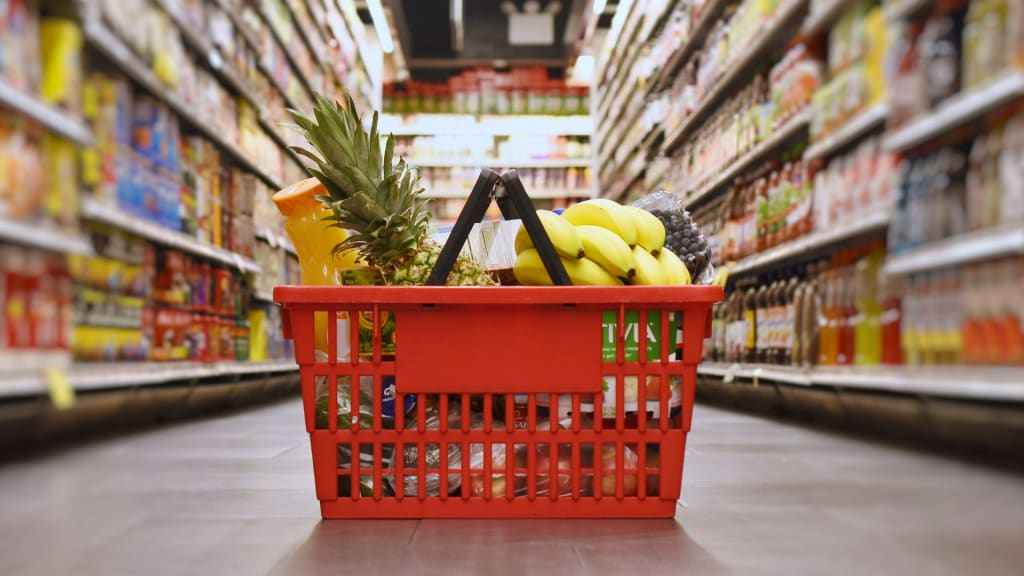
Ask someone about their dream store, and you’ll rarely hear about the nearest supermarket.
You’ll hear about the one two states over, the discount grocer a friend won’t stop talking about, the closeout shop discovered on a road trip, the chain whose prices seem almost suspiciously low from a distance.
We surveyed 3,003 Americans to find out which affordable retail chain they most wish would open in their state, then dug into how that same bargain-hunting instinct holds up when the purchase gets a little more personal.
Key Findings
One chain was the most popular, by a long way.
Grocery Outlet Bargain Market was the top wish in 28 states, more than half the country.
Its whole appeal is the treasure-hunt: brand-name products at steep discounts, stock that changes week to week, and the odds of leaving with three things you didn’t come in for.
At a time when a normal grocery run can produce an alarming receipt, "familiar products at unfamiliar prices" turns out to be a powerful pitch.
Meijer was the clear runner-up, and its map tells a story
The one-roof superstore topped the list in 13 states: Alabama, Georgia, the Carolinas, Tennessee, Virginia, plus outliers like California and Washington.
These are largely states outside Meijer’s Midwestern heartland, where people know the name by reputation but don’t live close enough to shop there.
Other desired retailers split along regional lines.
Lidl was most wanted in the interior West. Montana, Nevada, and Wyoming are where a genuinely cheap weekly shop is harder to come by. Price Rite topped Idaho, Ohio and Oregon’s wish list. Woodman’s Markets, a single-state wish, was selected in Pennsylvania.
The pattern is consistent: people most want the affordable chain that’s almost within reach but not quite.
What almost nobody wished for is telling.
No state named a big-box giant as its most-wanted chain. The winners were discounters, warehouse formats and treasure-hunt stores, not the household names already on every corner. Americans aren’t asking for more shopping. They’re asking for cheaper shopping.
However, price obsession isn’t universal.
The same survey asked how people buy contact lenses and prescription glasses, and the bargain-hunting reflex quietly vanished. Only 31% compare prices across sellers.
The rest mostly default to habit (28% return to their usual seller) or a recommendation (22% buy wherever their eye doctor points them).
Many suspect they are overpaying, yet do nothing about it.
36% think they may be spending more than they need to on eyewear, and another 25% aren’t sure, meaning 61% either suspect they are overpaying or can’t say they aren’t.
A big reason: people assume the price is fixed.
45% didn’t know the same brand of contact lenses can cost noticeably different amounts depending on the retailer. Same manufacturer, same box, same prescription, but a different number at checkout. It's the cereal-aisle logic that everyone applies to groceries, just never applied to eyewear.
Loyalty has a breaking point, though.
Offered the identical product for less somewhere else, 86% would consider switching. Which lands in exactly the same place as the retail wishlist: people don't want worse products or fewer choices, they just want the total at checkout to be smaller.
Final Thoughts
The popularity of budget retailers shows that value remains a powerful part of how Americans judge their local shopping options.
Grocery Outlet Bargain Market and Meijer may have been the most desired outlets, but the wider result is not simply about which chain has the biggest fan base. It reflects a desire for more competition and a little less strain at checkout.
The eyewear findings add an important qualification. Consumers may want better prices, but they do not always search for them consistently, particularly when a purchase feels specialized or has traditionally been handled through a familiar provider.
The opportunity for retailers is therefore not only to be cheaper. It is to make the saving easy to identify, the comparison simple to understand and the buying process trustworthy enough that switching does not feel like a gamble.