






























Survey Reveals the Most Common Broke Behaviors People Practice in 2026




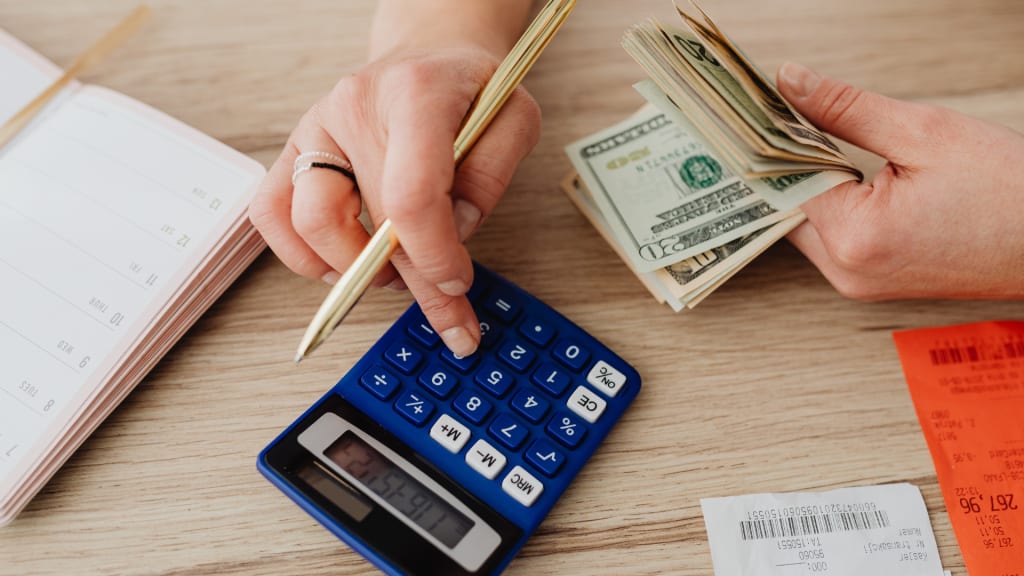
You don't have to be out of money to start acting like you are. In 2026, that feeling creeps in much earlier - somewhere between checking your bank balance for the third time in a day and deciding the delivery fee just isn't worth it.
To understand how this mindset is playing out in real life, we surveyed over 3,000 Americans on the small, everyday habits they have picked up to stretch their budgets.
Key Findings
It's more about adaptation, rather than panic.
Most of these behaviors aren't extreme. They're small, controlled adjustments. Walking instead of taking transport. Picking up food instead of paying delivery fees.
Waiting a week or two to see if something drops in price. It's not people falling apart financially - it's people constantly fine-tuning their spending in the background.
Frugality has become a strategy.
There's a clear sense of strategy running through a lot of these habits. Calculating cost-per-use before buying something small. Holding off for sales.
Ordering the cheapest thing on the menu and sticking to water. It's not just about saving money anymore - it's about winning at spending less, even in situations where the savings are relatively minor.
The “just in case” mindset is everywhere
Take extra napkins. Pocketing sauces. Reusing things that probably weren't designed for a second life. On paper, these are tiny behaviors.
But together, they point to a mindset shift - people are thinking one or two steps ahead, anticipating future costs, and trying to get ahead of them in whatever way they can.
Convenience is the first thing to go.
One of the clearest trade-offs is time. Avoiding delivery fees means more journeys. Using public Wi-Fi means going out of your way to find it. Walking instead of taking transport adds minutes - sometimes hours - back into your day.
People aren't necessarily cutting what they consume, but they are cutting how easily they access it.
Health is quietly taking a back seat.
This is where things become less light-hearted. Delaying routine appointments. Putting off eye tests. Wearing contact lenses longer than recommended. These aren't dramatic decisions - they are easy to justify in the moment.
But they point to a longer-term trade-off where short-term savings are edging out basic preventative care.
Money is becoming something people watch, not just use
Checking your bank app like it's a social feed says a lot. There's a kind of low-level vigilance baked into daily life now - a constant awareness of what's coming in, what's going out, and what might need adjusting.
Following financial influencers fits into the same pattern: people aren't just managing money, they are actively trying to get better at it.
People are getting closer to the edge of “non-negotiables.”
Considering selling something you actually need is a different category of behavior altogether. It suggests that for some, the buffer is shrinking.
The idea of what counts as essential is becoming more flexible - and that's usually a sign of pressure building beneath the surface.
Social life is being subtly reshaped.
Leaving early to avoid another round. Suggesting bill splits that work in your favor. Choosing cheaper options when out.
Over time, these behaviors start to shift how people show up socially - a little more cautious, a little more calculated.
Final Thoughts
These aren't extreme behaviors - they are everyday adjustments that most people will recognize in themselves, even if they wouldn't necessarily label them as “broke”.
That's the real takeaway. Being “broke” has evolved from a clear-cut financial state into something more fluid - a mindset shaped by rising costs and constant decision-making.
We conducted this study at Lenspricer because we have seen a sharp rise in people looking for any possible way to save on their contact lenses. When an essential healthcare item becomes a source of financial stress, it's a signal that the pressure has reached a tipping point. We wanted to document how these small, daily trade-offs are becoming the new standard for navigating the rising cost of living in 2026.